Sometimes Removing a Problematic Tooth Helps Protect Your Overall Oral Health
The words “tooth extraction” can make many people feel nervous.
For some, it brings memories of past dental experiences.
For others, the first thought is:
“Will it hurt?”
Or:
“Can the tooth be saved instead?”
These concerns are completely understandable.
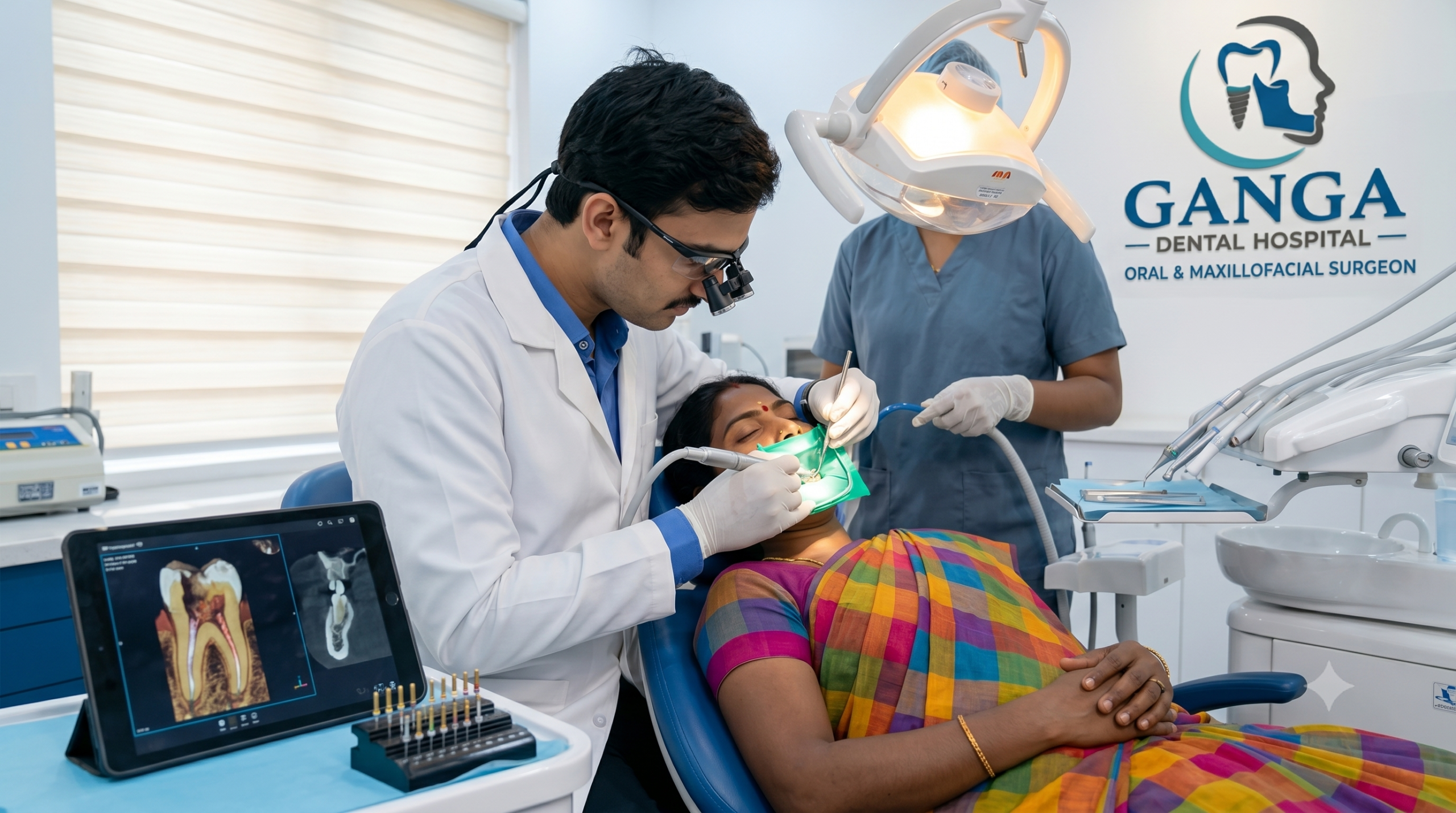
At Ganga Dental Hospital, we understand that no one feels excited about hearing a tooth may need removal.
Whenever possible, preserving a natural tooth is often preferred.
But in some situations, removing a problematic tooth may be the healthiest and safest choice for protecting comfort, relieving pain, and preventing further complications.
Most importantly:
A tooth extraction is never simply about removing a tooth.
It is about helping you feel better, preventing worsening problems, and supporting long-term oral health.
What Is a Tooth Extraction?
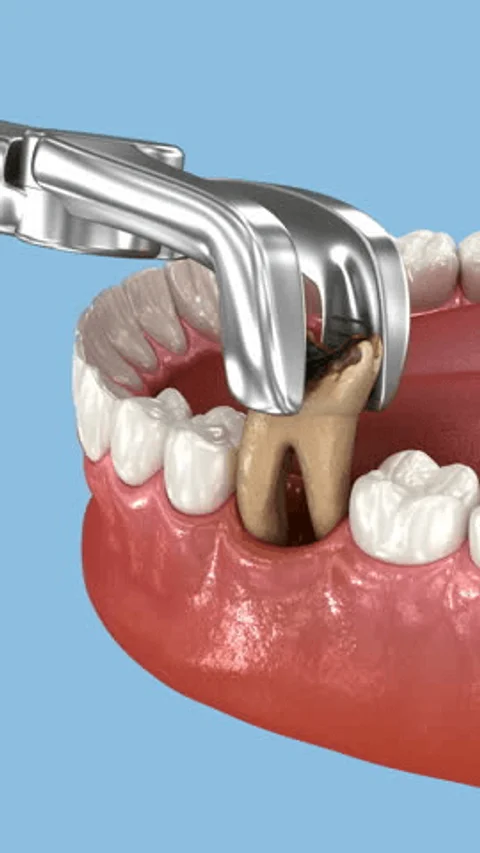
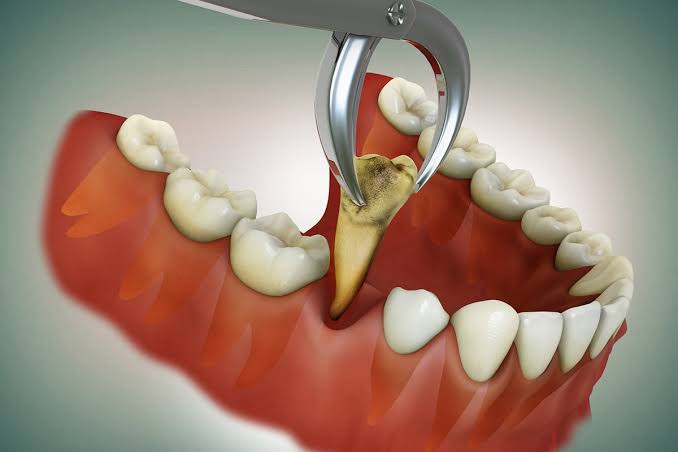
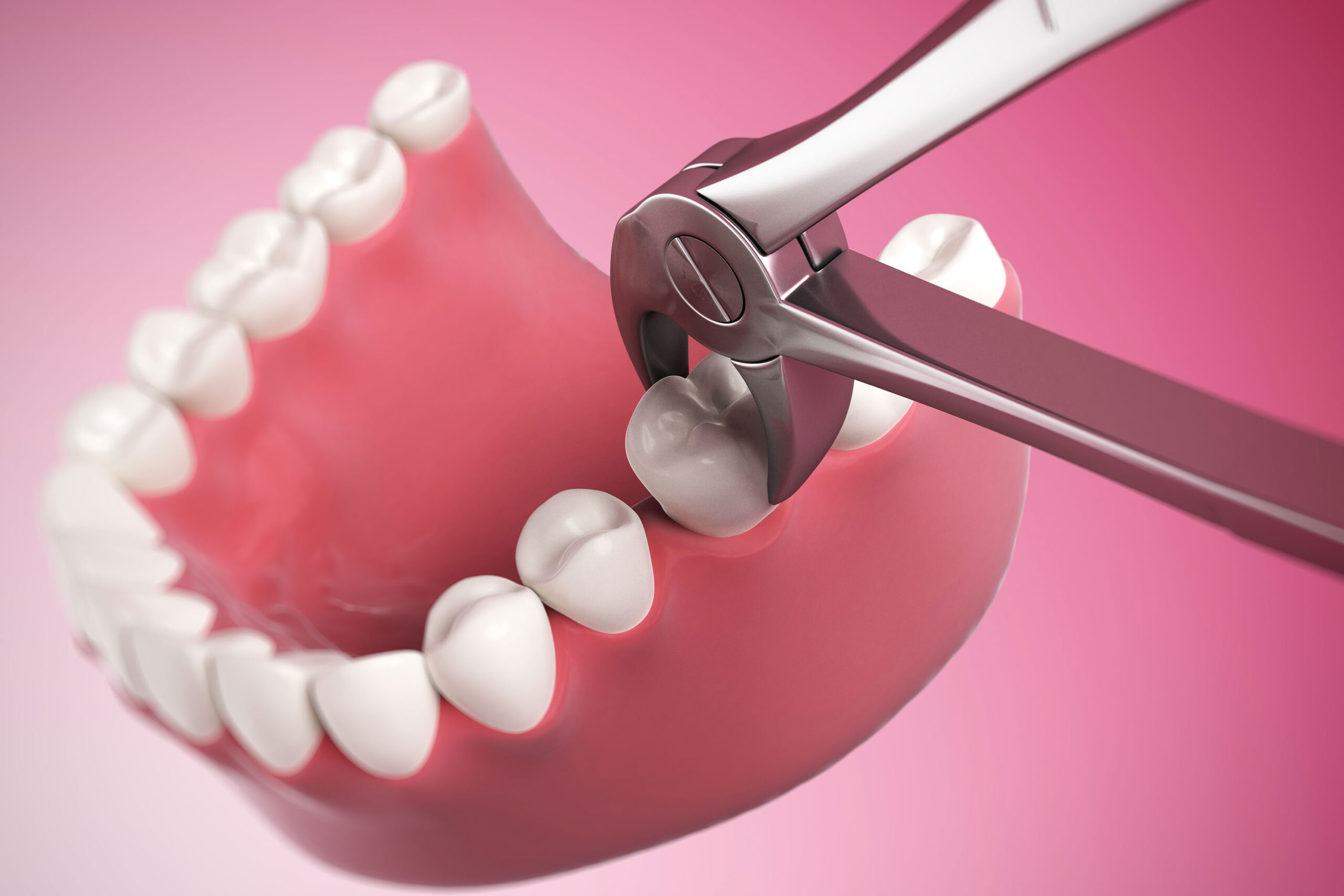
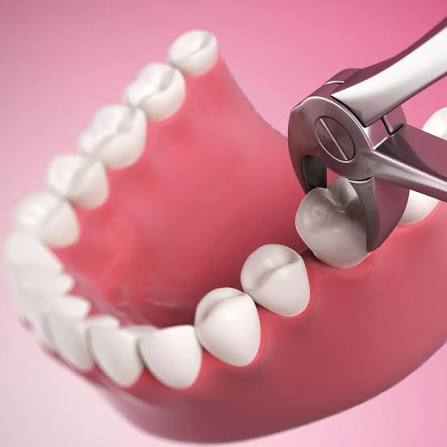
A tooth extraction is the process of carefully removing a tooth from its position in the jaw.
This may be recommended when a tooth can no longer function comfortably or safely due to damage, infection, crowding, or other oral health concerns.
Some extractions are relatively straightforward.
Others may require more detailed planning depending on the tooth position and surrounding condition.
The right approach depends on the individual situation.
When Might a Tooth Need to Be Removed?
Many patients naturally ask:
“Do I really need extraction?”
The answer depends on the condition of the tooth.
Sometimes a tooth can be preserved through treatment.
In other cases, removal may help prevent continued pain or future complications.
Some common reasons include:
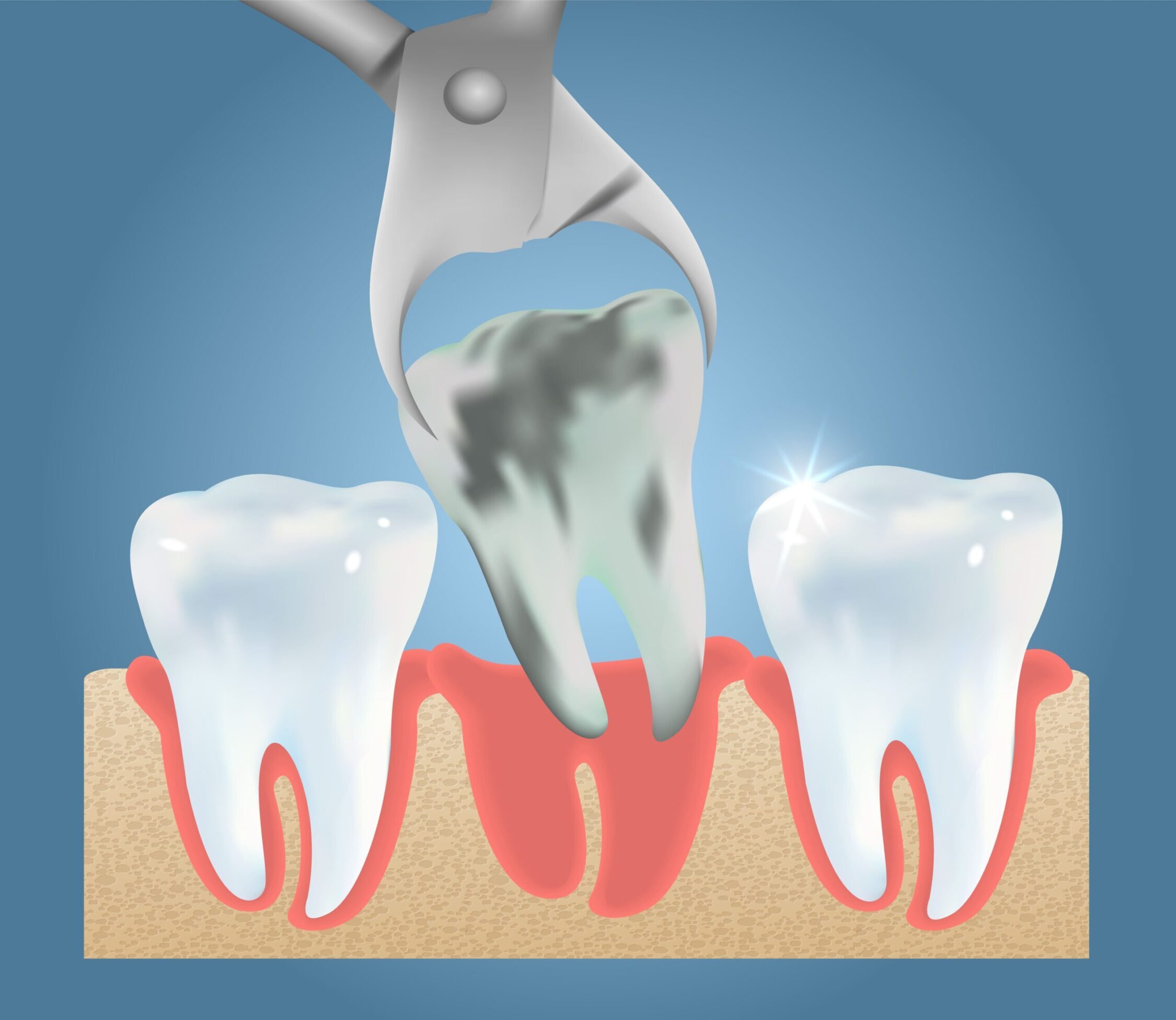
Severe Tooth Decay
When decay becomes too advanced, the tooth structure may no longer remain strong or restorable.
Serious Tooth Infection
If infection spreads deeply and the tooth cannot be comfortably maintained, extraction may sometimes be considered.
Damaged or Broken Teeth
Teeth affected by severe fractures or structural damage may occasionally require removal.
Wisdom Tooth Problems
Some wisdom teeth may grow in difficult positions.
This can sometimes lead to:
- pain
- swelling
- food trapping
- infection
- pressure on nearby teeth
Crowding Before Orthodontic Treatment
In selected situations, removing a tooth may help create space for alignment correction.
Loose Teeth Due to Gum Problems
Advanced gum concerns may sometimes weaken tooth support.
Can Every Tooth Be Saved?
Many patients understandably hope:
“Can’t we just save the tooth?”
Whenever possible, preserving natural teeth is considered valuable.
In some cases, treatments such as fillings, cleaning, or root canal treatment may help.
However, if a tooth is severely damaged or no longer functioning properly, extraction may occasionally become the healthier long-term option.
The goal is always to choose what best supports comfort, function, and oral health
What Happens During a Tooth Extraction?
One of the biggest reasons people feel anxious is simply not knowing what to expect.
In reality, understanding the process often helps reduce fear.
A tooth extraction generally involves:
Examination & Evaluation
The tooth and the surrounding area are carefully assessed.
This helps determine the most appropriate approach.
Preparing for Comfort
Patient comfort matters greatly.
The area is carefully managed so the procedure can be completed as comfortably as possible.
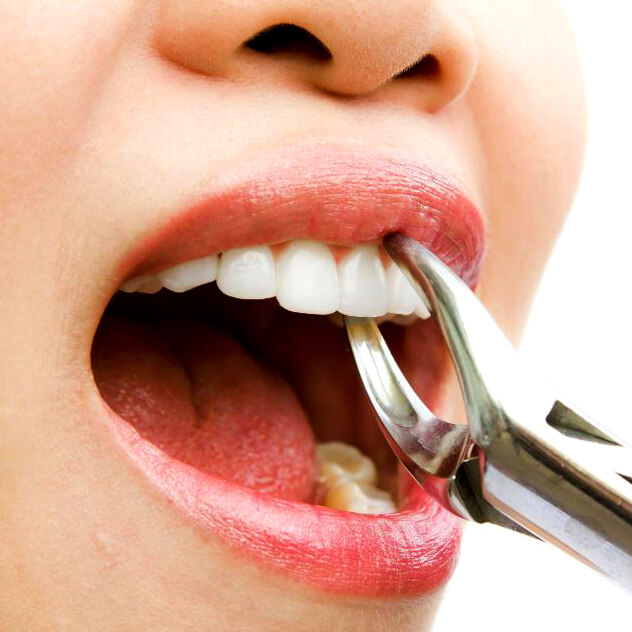
Tooth Removal
The tooth is carefully removed while protecting the surrounding tissues.
Some extractions are simple.
Others may require more detailed care depending on tooth position.
Recovery Guidance
After treatment, patients receive instructions to help support healing.
Is Tooth Extraction Painful?
This is usually the first question people ask.
The reality is:
Most patients feel far less discomfort than they expected.
Many people are surprised that the fear beforehand feels worse than the actual procedure.
Some pressure sensations may occur during treatment, but comfort remains a priority.
After extraction, mild soreness during healing is common and usually improves gradually.
At Ganga Dental Hospital, we understand dental anxiety and work to create a calm, supportive experience for every patient
Healing After Tooth Extraction
Healing takes time, and every person recovers differently.
Some mild discomfort or sensitivity during the early recovery period is normal.
Simple aftercare can help support smoother healing.
Patients are often advised to:
Rest When Needed
Giving the body time to heal matters.
Avoid Disturbing the Area
Following care instructions carefully supports recovery.
Eat Softer Foods Initially
Comfortable foods may feel easier during early healing.
Maintain Oral Hygiene Carefully
Keeping the mouth clean remains important.
Follow Professional Advice
Every extraction is different, and healing instructions may vary.
When Should You Contact a Dentist?
It may be helpful to seek dental advice if you experience:
- severe ongoing pain
- swelling that worsens
- unusual bleeding
- difficulty opening the mouth
- signs of infection
Questions during recovery are always okay.
Feeling informed can make healing feel less stressful.
Wisdom Teeth: Why Are They Sometimes Removed?
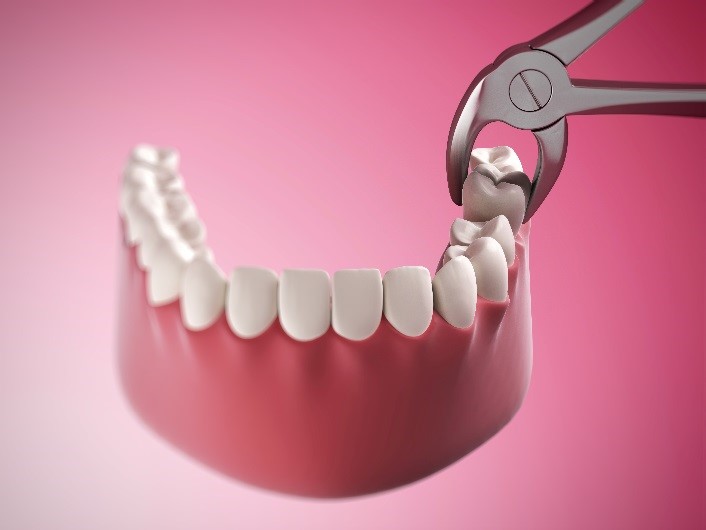
Wisdom teeth are one of the most common reasons people hear the word “extraction.”
Not all wisdom teeth require removal.
However, some may create problems due to limited space or difficult positioning.
This can occasionally lead to:
- repeated pain
- gum irritation
- swelling
- trapped food
- discomfort near nearby teeth
Every situation is different.
Evaluation helps determine whether treatment is necessary.
A Tooth Extraction Is Sometimes the First Step Toward Relief
When people hear they may need an extraction, it is natural to feel worried.
But sometimes, removing a painful or problematic tooth becomes the beginning of feeling better.
Better sleep.
Less discomfort.
Relief from infection or swelling.
A healthier path forward.
At Ganga Dental Hospital, we believe dental care should feel compassionate, informative, and supportive — especially during moments that feel uncertain.
You deserve care that feels calm, respectful, and focused on your comfort.
Because sometimes, healing begins with finally finding relief.
Frequently Asked Questions
It depends on your dental condition. Aligners are excellent for discreet treatment, while braces may suit more complex corrections.
Yes. Many adults choose aligners for a less noticeable treatment experience.
Treatment duration varies depending on alignment needs.
They are designed to be clear and nearly invisible.
Yes. They are removable during meals and oral hygiene.
Most patients experience mild temporary pressure rather than pain.
We welcome patients from Dindigul, Nilakottai, Natham, Batlagundu, Vedasandur, Oddanchatram & Palani.